What is Lechon? ∙ The Philippines' Crispy, Juicy, and Beloved Roast Pig
· 3 min read
What is lechon? The Philippines' whole roasted pig explained: how it is cooked, the regional styles, and what makes Cebu lechon different.
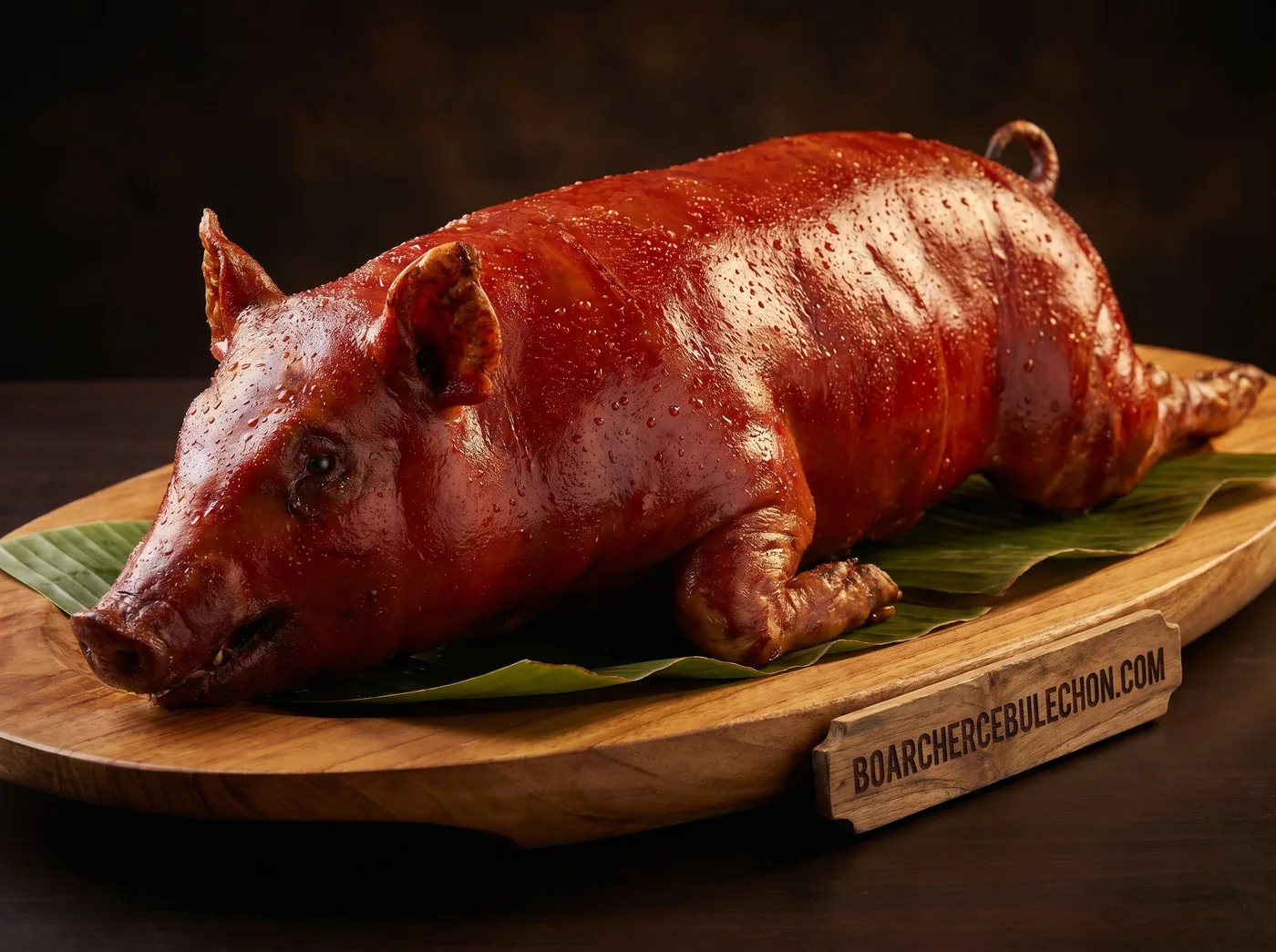
Lechon , a Filipino culinary masterpiece, is a whole roasted pig that has become synonymous with the country's vibrant food culture. This traditional dish, often served during special occasions like fiestas and weddings, is a testament to the Filipinos' love for hearty, flavorful, and communal dining experiences.
How to Roast Lechon: The Art of Lechon Making
The process of making lechon is a labor-intensive affair that requires skill, patience, and a deep understanding of the pig's anatomy. Here's a breakdown of the key steps involved:
- Selecting the Pig: The ideal lechon pig is a young, succulent animal with a balance of meat and fat.
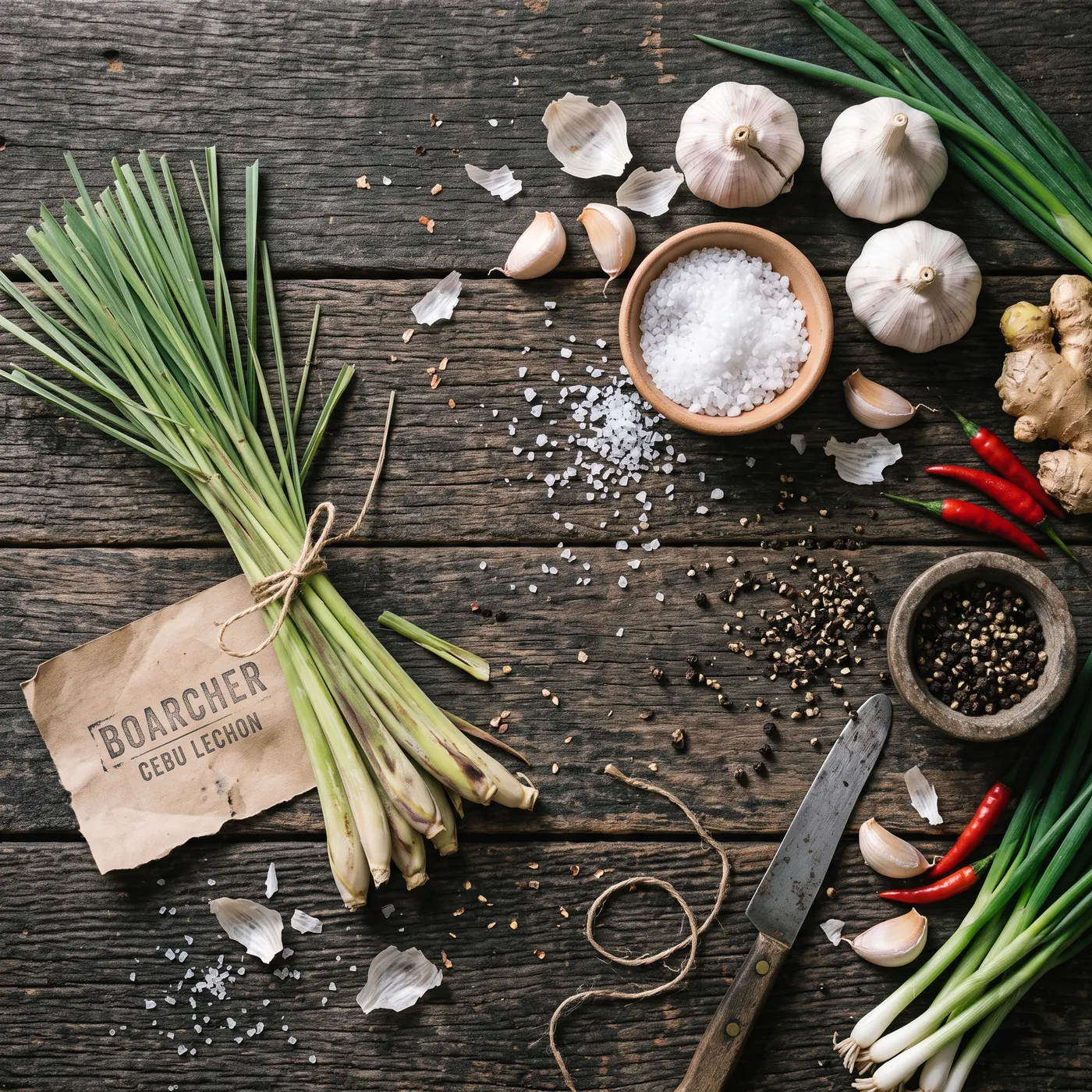
- Preparing the Pig: The pig is cleaned, gutted, and marinated with a mixture of spices and herbs. This marinade, often made with garlic, onions, salt, and pepper, imparts a unique flavor profile.
- Roasting: The marinated pig is then stuffed with herbs and spices and placed on a spit. It is slowly roasted over a charcoal fire, turning it continuously to ensure even cooking. The skin is often scored or brushed with oil to achieve a crispy, golden-brown exterior.
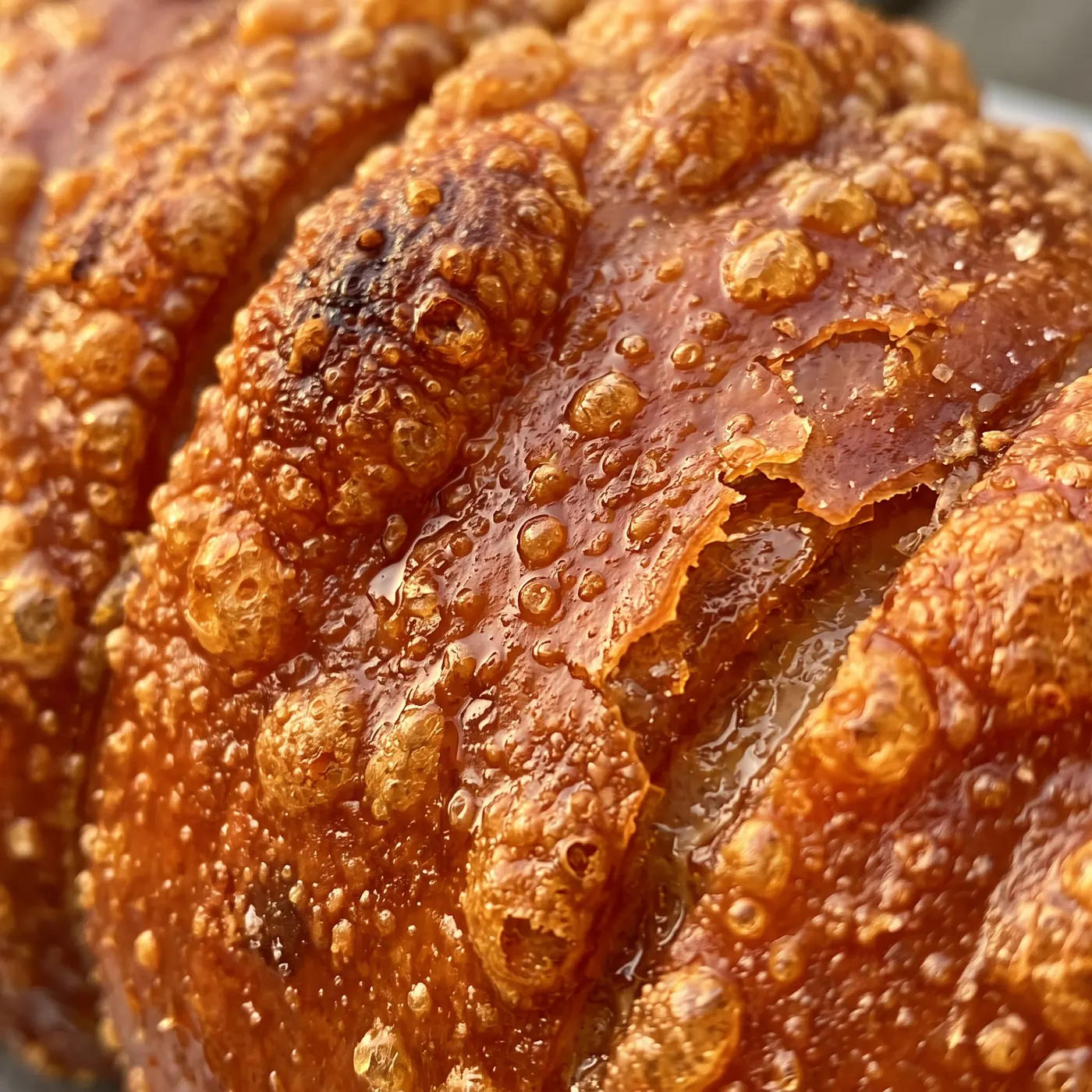
- The Crackling: One of the most coveted parts of lechon is the crispy skin, or crackling . It's achieved through a combination of slow roasting and careful temperature control.
Process of Roasting Lechon
Roasting lechon requires careful attention to temperature and time. The goal is to achieve a crispy exterior while keeping the meat moist and tender. This is often accomplished through a combination of direct heat, indirect heat , and basting .
Types of Lechon: Lechon's Regional Variations
While the basic concept of lechon remains consistent throughout the Philippines, there are regional variations that reflect the unique culinary traditions of different areas. For example:
- Cebu Lechon: Renowned for its tasty, flavorful, succulent meat and crispy skin, Cebu lechon is often considered the gold standard.
- Manila Lechon: Know for its crispy skin and usually eaten with " sarsa " to enhance the eating experience.
Lechon Innovations
While traditional lechon remains popular, chefs and food enthusiasts have experimented with innovative variations, such as:
- Stuffed Lechon: The pig is stuffed with various fillings like sausages, rice, or vegetables.
- Lechon Belly: This cut features a thick layer of crispy skin and succulent meat. Its Cebu Lechon version is also commonly known as "Cebuchon".
- Lechon Kawali: Deep-fried lechon belly slices, often served with a dipping sauce.
Lechon continues to evolve, adapting to changing tastes and culinary trends while preserving its cultural significance. Its enduring popularity is a testament to its deliciousness, versatility, and deep-rooted connection to Filipino identity.
Lechon and Filipino Culture
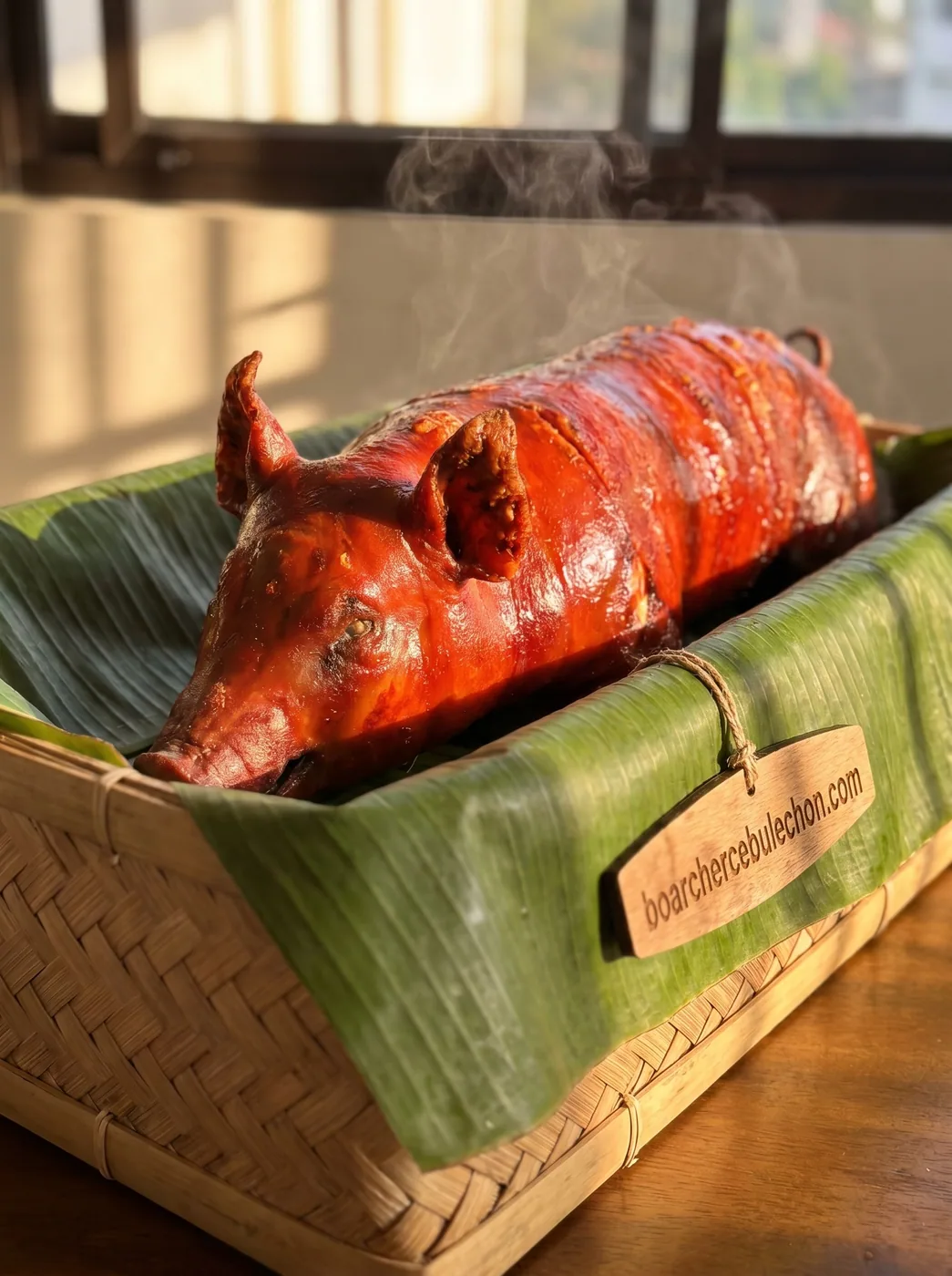
Lechon's significance in Filipino culture extends beyond its deliciousness. It is often associated with:
- Hospitality: Serving lechon to guests is a sign of generosity and welcome.
- Celebration: Lechon is a staple at weddings, birthdays, and other festive occasions.
- Community: Sharing lechon fosters a sense of togetherness and belonging.
In conclusion , lechon is a culinary gem that showcases the Philippines' rich food heritage. Its crispy skin, juicy meat, and flavorful marinade make it a beloved dish both within the country and among international food enthusiasts. Whether it's enjoyed during a grand celebration or as a simple family meal, lechon continues to delight and satisfy palates around the world.
Cebu style and Luzon style, compared
| Cebu style | Luzon / Manila style | |
|---|---|---|
| Where the flavour comes from | Aromatics stuffed inside the pig | Added at the table with a sauce |
| Sauce | Usually none; a little seasoned vinegar on the side if you want it | Typically a liver-based sauce |
| Seasoning | Lemongrass, garlic, onion, scallion and spices in the cavity | A plainer pig, seasoned more simply |
| How it is eaten | On its own, skin and meat together | Dipped, with the sauce sharing the work |
Both are traditional. They are different approaches to the same dish, not better and worse.